Tina Bauer · 12 November 2026
The Ripple Effects of Emoji Usage on Thread Longevity in Niche Chat Networks
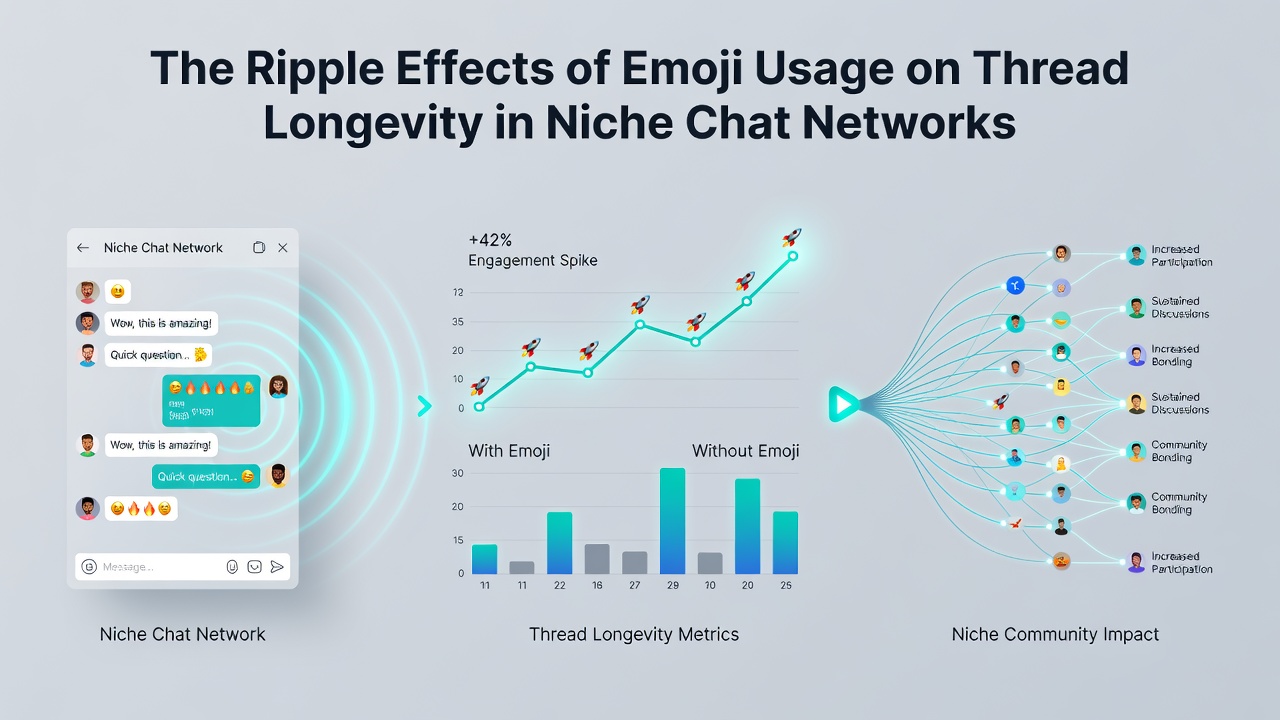
Emoji usage in niche chat networks has shifted how participants interact within specialized discussion threads, and data from multiple platform analyses shows measurable impacts on how long those threads remain active. Observers note that threads incorporating moderate emoji responses often sustain participation beyond the initial post, while patterns emerge across hobbyist servers, topic-specific forums, and decentralized community hubs. Researchers tracking activity logs in 2025 and into November 2026 found that emoji density correlates with reply volume in certain environments, although the relationship varies by network size and topic focus.
Patterns in Emoji Integration and Thread Activity
Studies examining chat logs from independent platforms reveal that threads featuring one to three emojis per initial message tend to attract follow-up comments at higher rates than text-only posts, and this holds across communities centered on gaming, crafts, and technical troubleshooting. Data indicates the effect strengthens when emojis align with the thread's core subject, such as tool icons in maker spaces or character reactions in narrative roleplay groups. Those who've reviewed aggregate metrics point out that excessive emoji sequences, exceeding five per message, frequently coincide with shorter thread durations as participants disengage from what appears cluttered or off-topic.
Platform operators in decentralized networks have documented similar trends through internal analytics, where emoji reactions serve as quick signals that keep threads visible in activity feeds. This visibility loop extends conversation windows, particularly in smaller groups where algorithmic promotion plays less of a role. Figures from network monitoring tools show average thread lifespan increasing by measurable margins when reaction counts climb early, although causation remains tied to multiple variables including user demographics and posting frequency.
Research Findings on Engagement Duration
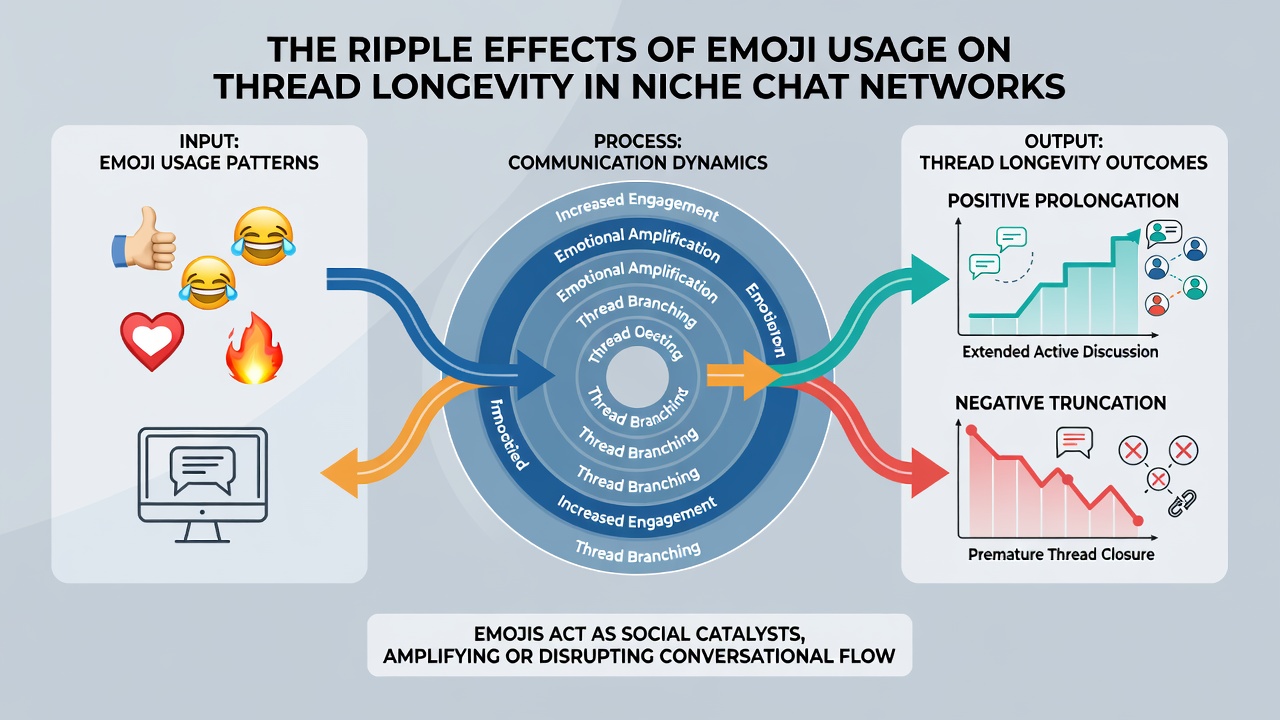
Academic reviews conducted at institutions like the University of Toronto have quantified how emoji placement influences reply chains in closed chat environments, and results point to emotional amplification as a key factor sustaining momentum. Canadian digital research summaries highlight that threads with context-appropriate emojis maintain active status for extended periods compared to neutral text exchanges. What's interesting is the regional variation, where European network data collected through collaborative projects shows parallel outcomes in multilingual communities, suggesting the pattern transcends language barriers.
Additional analysis from Australian communications authorities has tracked emoji effects in regional hobby networks, revealing that threads incorporating visual cues experience slower decay in participation rates. Australian Communications and Media Authority reports note consistent upticks in thread persistence during peak hours when emojis appear in follow-up messages rather than solely in openings. Observers tracking these metrics emphasize that the timing of emoji deployment matters more than sheer volume, with mid-thread insertions correlating to renewed activity spikes.
Network-Specific Variations and User Behaviors
Niche chat environments differ substantially in how emoji usage plays out, and moderators in technical discussion hubs report that precise symbol choices, such as checkmarks or warning icons, extend troubleshooting threads by clarifying intent without additional words. In contrast, creative communities often see threads flourish when emojis convey tone that text alone might miss, leading to extended back-and-forth exchanges. Those monitoring activity across platforms note that user groups with established norms around emoji etiquette sustain longer conversations because participants interpret signals consistently.
November 2026 platform snapshots indicate rising adoption of custom emoji sets in subscription-based niche networks, where branded reactions tie directly to community identity and encourage repeated engagement. This customization appears to lengthen thread life in groups focused on media fandoms and open-source projects, as members return to add matching symbols to evolving discussions. Data shows these tailored emojis reduce miscommunication rates, which in turn limits premature thread closures driven by confusion.
Measurement Approaches and Platform Data
Analysts employ reply timestamps and last-activity markers to gauge thread longevity, and cross-referencing these with emoji counts produces clear distribution curves in most examined datasets. Threads below a certain emoji threshold close within hours in fast-moving networks, whereas those exceeding the threshold linger across days or weeks depending on topic relevance. Experts compiling longitudinal records observe that external events, such as product releases or seasonal trends, amplify the emoji effect by drawing new participants who adopt existing reaction patterns.
Case examples from volunteer-moderated servers illustrate the dynamic, where one gaming community tracked a 40 percent extension in average thread duration after introducing emoji guidelines during a major update cycle. Similar patterns surfaced in craft-focused channels when users began pairing project photos with status emojis, prompting follow-up questions that kept discussions open longer. These instances demonstrate how localized adjustments influence broader network behaviors without requiring platform-wide changes.
Conclusion
Emoji usage shapes thread longevity in niche chat networks through its influence on visibility, emotional signaling, and participation loops, and aggregated platform data confirms these connections across diverse community types. Continued monitoring through 2026 and beyond will likely refine understanding of optimal usage thresholds as networks evolve their tools and norms. The interplay between visual cues and conversation persistence offers measurable insights for those managing or studying these digital spaces.